rEPORT: NEW FINDINGS FROM NYCLU AND LDF POWER THE CASE FOR REPARATIONS
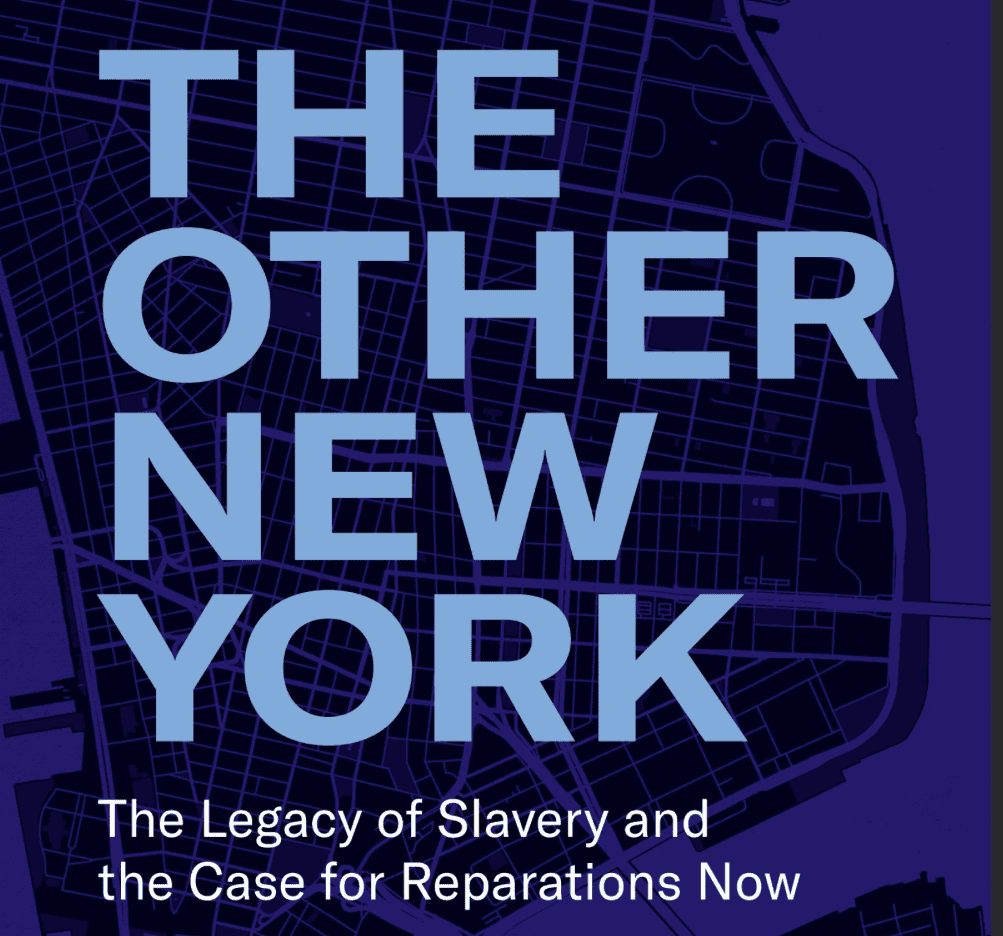
New York’s history of slavery and years of discriminatory laws and policies have made it significantly harder for Black communities to achieve economic security. From unjust housing policies to being excluded from the political process, Black communities have been intentionally left out of the very country they helped build.
In July The NYCLU and LDF launched, “The Other New York: The Legacy of Slavery and the Case for Reparations Now,” a report analyzing the impacts of slavery and its legacy of discrimination against Black New Yorkers. Among its findings, the report highlights:
The median wealth of Black New Yorkers is $18,870, nearly 15 times less than the median wealth of white New Yorkers, which is $276,900, and New York state has a wider racial wealth gap than the United States as a whole.
The history of housing in New York reveals a deliberate and systemic effort to exclude and displace Black communities, denying them the stability and generational wealth that homeownership provides.
Nearly 90 years after redlining and urban renewal, formerly redlined communities remain some of the highest poverty neighborhoods in New York.
Schools serving predominantly Black students have been severely underfunded.
“Reparations are a debt that is owed. Enslaved Black people built the foundation of New York’s economy, but Black families in our state still face racism that has been codified into our laws and budgets,” said Lanessa Owens-Chaplin, Director of the Racial Justice Center at the NYCLU and NY4R Steering Committee Member. “New York state was not a bystander to slavery — it created, enacted, and protected the institution of slavery. Reparations must be extended to all Black New Yorkers descended from those enslaved by New York state, and to all Black New Yorkers still living under the systems slavery built.”
